
Guides
Practical Terms of Use guides.
Clear, plain-language help for founders, website owners, SaaS teams, ecommerce teams, and online communities.
Guides
Clear, plain-language help for founders, website owners, SaaS teams, ecommerce teams, and online communities.
Browse by topic
Jump straight to the section that matches your question.
Featured guide
Read this one first if you want the clearest overview before you draft or review anything.
Best starting point
Terms of Use explain the basic rules for your website or service. They help visitors understand what they can expect, what you expect from them, and where the limits are if something goes wrong.
Open guide
Also worth reading
Different business models create different risks, promises, and customer questions. That is why Terms of Use for a brochure website, SaaS platform, or online store should not all use the same structure.
Read guide
Also worth reading
A polished draft is not always a ready draft. This guide helps you check whether your Terms of Use match your business, your customer journey, and your real policies before you publish.
Read guideStart here
Core guides for understanding what Terms of Use do, how models differ, and how to review a draft before publication.
Terms of Use explain the basic rules for your website or service. They help visitors understand what they can expect, what you expect from them, and where the limits are if something goes wrong.
Different business models create different risks, promises, and customer questions. That is why Terms of Use for a brochure website, SaaS platform, or online store should not all use the same structure.
A polished draft is not always a ready draft. This guide helps you check whether your Terms of Use match your business, your customer journey, and your real policies before you publish.
Agreement, clarity, and updates
Guides about visible agreement moments, clearer wording, and keeping version history understandable over time.
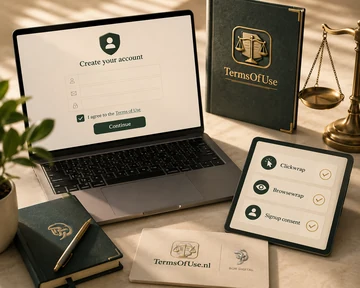
A Terms of Use page only works if users receive clear notice at the moment they sign up, buy, upload, or otherwise commit. This guide explains how to make that agreement moment more visible, fair, and easier to evidence later.
Plain-language Terms of Use are not weaker. They are easier for customers, support teams, founders, and reviewers to understand, quote, and improve.
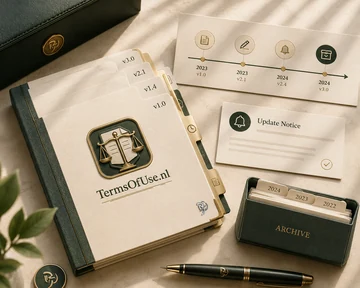
Terms of Use are living documents. This guide explains how dates, change notices, old versions, and private update records can turn updates into a trust-building process instead of a confusing silent edit.
Subscriptions and renewals
Practical guidance on refunds, cancellation paths, renewal notices, and subscription wording that matches the customer journey.

Questions about refunds, subscriptions, billing, and access cause stress when the wording is vague. This guide shows what visitors and customers usually need to understand.
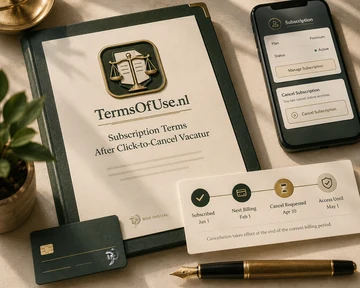
The FTC’s amended Negative Option Rule was vacated in 2025, but subscription teams still need clear renewal, cancellation, and evidence practices. This guide explains the current status without pretending the vacated rule is in force.

Automatic renewal problems usually start before the renewal date, when a customer first signs up without clearly understanding what will happen next.
Access, accounts, and content
Guides for online access, account behavior, user content, acceptable use, and practical service boundaries.

After checkout or signup, people mainly care about three things: what they paid for, when they get access, and what can limit that access. This guide helps you explain those points clearly.

If users can sign up, upload content, post comments, or interact with other people, your Terms of Use should clearly explain what is allowed and what happens when rules are broken.

Strong Terms of Use are not just formal. They are clear, easy to find, and consistent with how the business really works.
Quality and risk checks
Use these guides to spot weak wording, avoid common mistakes, and make sure a Terms page still reflects the real business.

Many weak Terms of Use fail for simple reasons: they are too generic, too vague, or too far away from how the business really works.
Strong Terms of Use are not just formal. They are clear, easy to find, and consistent with how the business really works.
A polished draft is not always a ready draft. This guide helps you check whether your Terms of Use match your business, your customer journey, and your real policies before you publish.
From guidance to action
Open the generator when you understand your business model, customer journey, and the key rules your Terms of Use should explain.